How China’s Lockdown Fueled the Creation of a New Ethereum Rollup
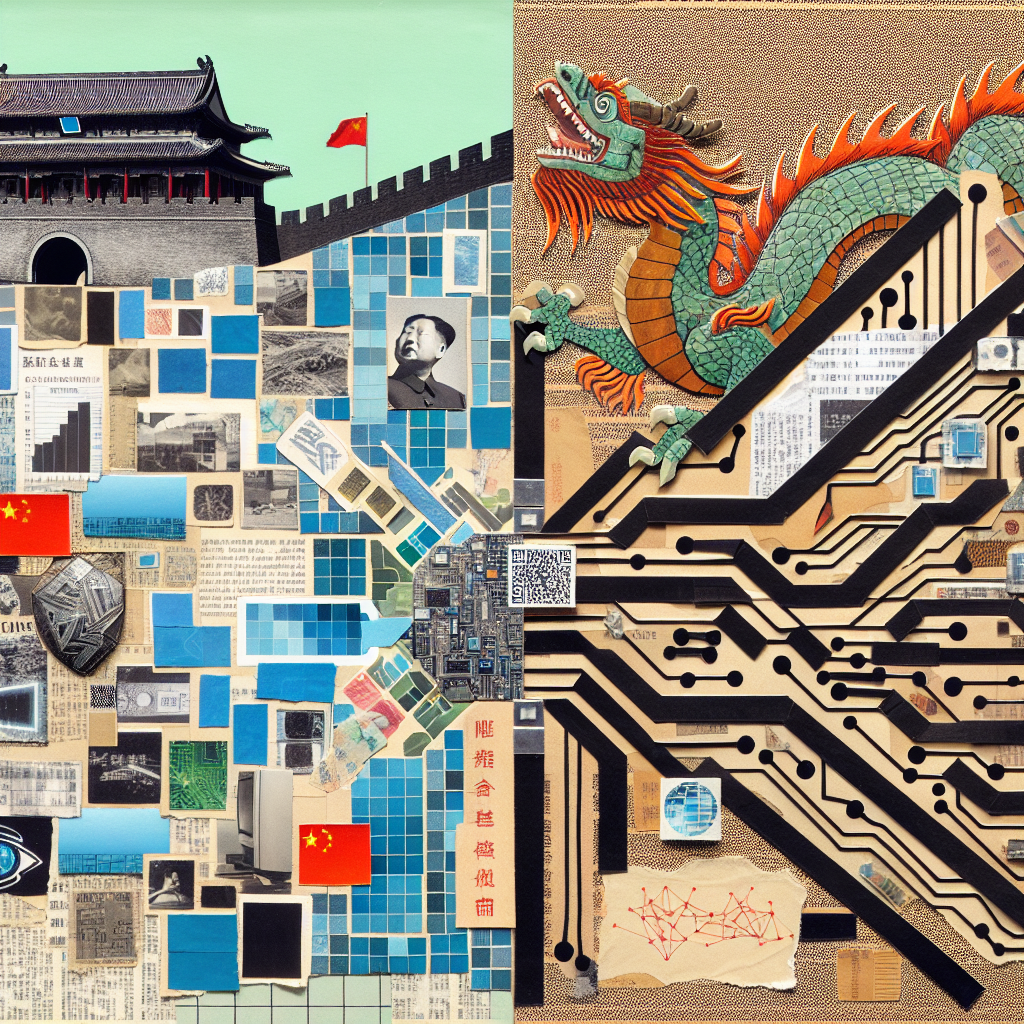
In the midst of the global pandemic, Shanghai found itself under strict lockdown for two months. This decision aimed to curb the spread of the virus, but it also suppressed any opposition to China’s stringent policies. During this time, Daniel Wang, co-founder of Taiko Labs, was driven by the environment of censorship to conceptualize a decentralized solution that led to the creation of Taiko, an Ethereum-based rollup.
Inspiration from Suppression
Living under lockdown in Shanghai, Wang experienced firsthand the limitations on free expression. Confined to his apartment for nearly three months, he was motivated by the idea of a platform where ideas could be shared without censorship. This vision was not just about creating a social network but ensuring it could withstand governmental suppression. The idea was to build a decentralized publishing network that was immune to censorship, allowing users to express freely without revealing their identities.
The Journey to Taiko
Initially, Wang faced the challenge of finding a technological solution robust enough to support his vision. Existing solutions like Optimism’s OP Stack and StarkWare required signature verifications, which could still be targeted and shut down by authorities. Wang’s goal was to create a system that was truly unstoppable.
Together with Terence Lam, Wang co-founded Taiko. This new Ethereum rollup was unique in its approach—it didn’t rely on its own sequencers but instead utilized validators from Ethereum’s layer 1. By removing the need for signature verifications, Taiko aimed to eliminate any centralized point that could be compromised.
Building an “Ownerless” Network
The primary aim while designing Taiko was to eliminate any central control within its framework, creating what Wang describes as an “ownerless” system. This approach not only enhances security but also ensures the integrity and neutrality of the network. By proving the feasibility of such a system, Taiko hopes to demonstrate that decentralized networks can outperform those reliant on centralized, signature-based models.
Embracing Open Development
Wang is open to the idea of others building upon Taiko’s framework. He encourages developers to take the code, improve upon it, and share their enhancements, fostering a collaborative environment. This open-source mentality is centered around the belief that collective efforts will lead to a more scalable and resilient Ethereum network.
The Future of Ethereum Rollups
Taiko’s development is not just about creating a successful Layer 2 solution; it’s about paving the way for future advancements in decentralized technology. Whether Taiko becomes the most popular rollup or simply a stepping stone for others, Wang views the project as a catalyst for innovation in the blockchain space.
In conclusion, the oppressive environment of the Shanghai lockdown served as a catalyst for Wang’s vision of an uncensored digital platform. Through Taiko, he aims to contribute to the broader Ethereum ecosystem by providing a scalable, censorship-resistant solution that can inspire further developments in decentralized technology.