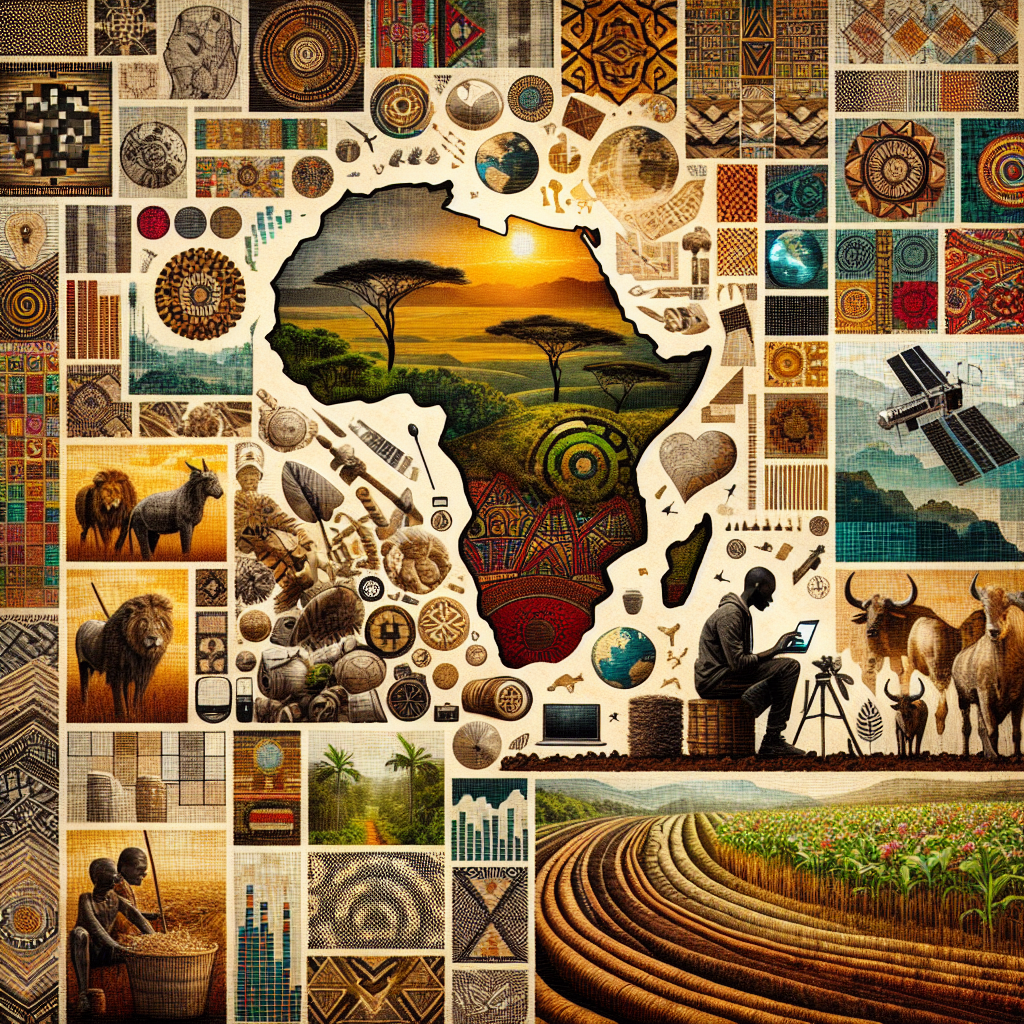
Revolution in African Agriculture through Blockchain
The agricultural landscape in Africa is experiencing a significant transformation due to blockchain technology. This technological advancement is addressing long-standing issues such as market access, financial constraints, and fair pricing, thus offering new possibilities for farmers across the continent.
Tokenization Empowering Farmers
In Kenya’s Nakuru County, a 54-year-old farmer named Sophia Wambui Ngamate has found blockchain to be a crucial support system. Through the “One Million Avocados” initiative, which aims to plant a million avocado trees across Africa by using orchard tokenization, Ngamate has been able to plant over 120 avocado trees. This project not only provides training and links farmers with one another but also facilitates access to better markets and essential resources like fertilizers.
Blockchain is making a real difference by connecting rural farmers to global markets and resources. This connection unlocks new opportunities and provides hope to small-scale farmers who often struggle with accessing these resources.
The Critical Role of Agriculture in Africa
Agriculture is the backbone of Africa, with more than half of its population relying on it for their livelihoods. The sector significantly contributes to the GDP of many African countries. However, it faces numerous challenges, including difficulties in accessing credit due to perceptions of high risk and the lack of necessary capital to enhance production. High transaction costs and intermediaries also reduce farmers’ profits.
Emerging technologies like blockchain, artificial intelligence, and the Internet of Things (IoT) are stepping in to offer innovative solutions to these challenges. Although the journey has been tough, tech-based agricultural platforms are beginning to transform farming practices.
Coffee Trees and Tokenization
Project Mocha, a Kenyan initiative, is helping coffee farmers by tokenizing their coffee trees on the blockchain. Launched recently, the project allows farmers to sell tokens representing their coffee trees, granting token holders a share of the coffee sales revenue for a decade. This provides farmers with the funds needed for farm rehabilitation, equipment, and training.
According to Paul Gachora, co-founder of Project Mocha, many farmers own land and coffee trees but lack cash to secure loans or investments. Tokenizing coffee trees transforms them into digital assets, facilitating resource mobilization for farm improvement.
Avocado Trees as NFTs
The “One Million Avocados” project employs a similar model by tokenizing avocado trees as non-fungible tokens (NFTs). Investors purchase these NFTs, providing farmers with the capital necessary to invest in their farms. Blockchain ensures that all data related to tree growth and production is accessible, instilling confidence in investors regarding the accuracy and reliability of their investments.
IoT technology is crucial in gathering precise data about farm conditions, enabling better decision-making. This technology aids in early disease detection and implementing remedial measures.
Banking the Unbanked Farmers
In sub-Saharan Africa, smallholder farmers make up 80% of all farms but are often excluded from the financial system. Investa Farm, operating in Kenya and the UK, assists farmers by offering crypto loans, enabling them to access financial support despite lacking traditional documentation.
Blockchain records farmers’ transactions, building a credit history that can eventually help them secure loans. The use of AI speeds up loan approvals and provides access to insurance and other financial products.
Simplifying Blockchain for Farmers
The complexity of blockchain can alienate non-technical stakeholders like farmers. Therefore, it is important to communicate its benefits in relatable terms. Investa Farm addresses this by using agricultural stores as agents to introduce farmers to blockchain-based loan services.
Network limitations and connectivity issues in rural areas can lead to transaction failures. Projects like Project Mocha are designed to work with widely available mobile networks and basic internet services to ensure reliable access.
Regulatory Challenges and the Future
Regulatory uncertainty poses a significant barrier to blockchain adoption in agriculture across Africa. The lack of clear guidelines affects compliance and user adoption. Collaboration with regulators and industry bodies is essential to influence policy development and demonstrate the benefits of blockchain for financial inclusion in agriculture.
Despite these challenges, blockchain projects are already making a tangible impact. The integration of blockchain and AI in agriculture holds the promise of unlocking unprecedented growth, driving financial inclusion, and fostering sustainability, paving the way for a more prosperous future for African farmers.