UBS and Ethereum: A New Era in Traditional Finance
The Union Bank of Switzerland (UBS) has introduced a tokenized fund using the Ethereum blockchain, marking a significant step in the integration of digital assets with traditional financial systems. This move reflects a growing trend among major financial institutions to embrace blockchain technology and tokenization.
The Launch of UBS’s Tokenized Fund
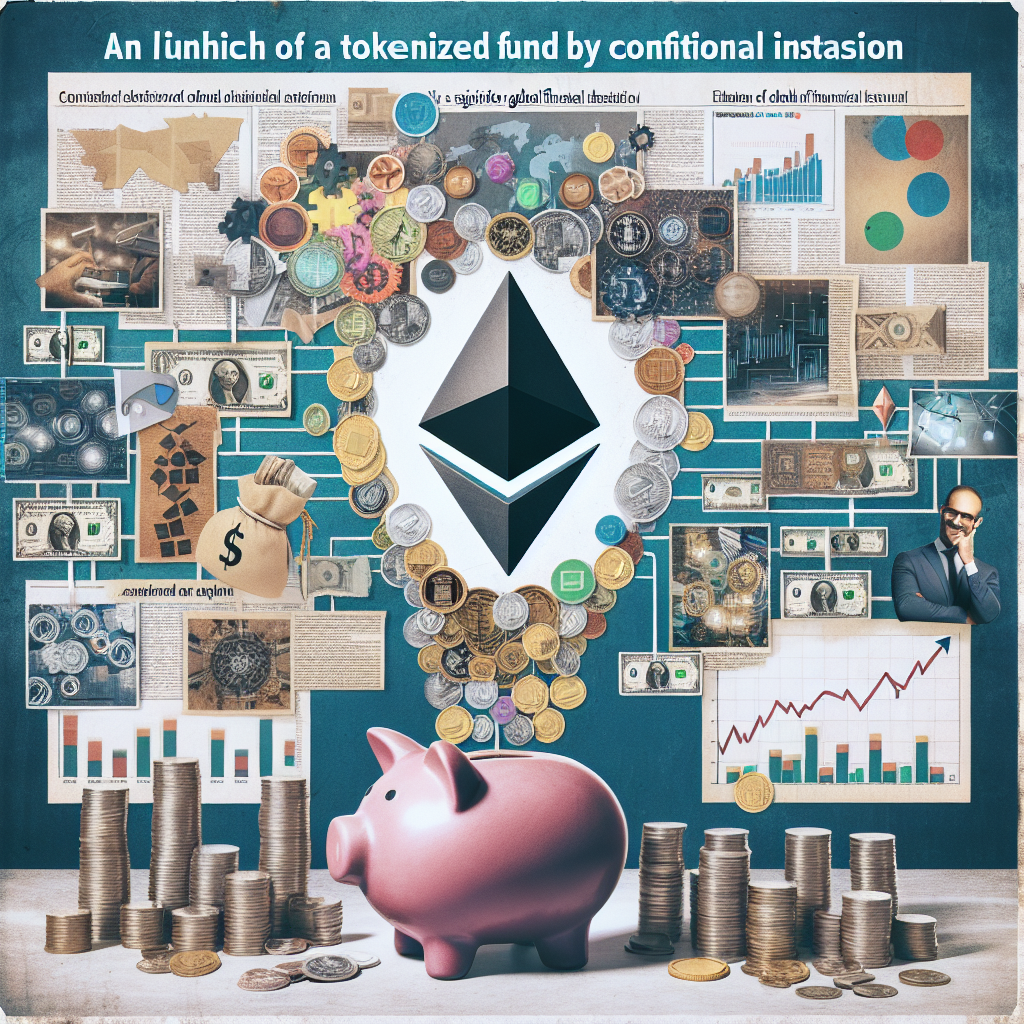
On November 1, UBS announced the launch of its tokenized money market fund, named the “UBS USD Money Market Investment Fund Token” or “uMINT”. This initiative is a response to the increasing interest from investors in tokenized financial instruments. The fund is established on the Ethereum platform, which continues to be a leading choice for blockchain-based financial services.
Thomas Kaegi, UBS APAC co-head, highlighted the rising demand for tokenized financial assets, noting the firm’s anticipation of a broad adoption across various asset classes. Crypto enthusiasts are optimistic about the potential positive impact on Ethereum’s market value as a result of this development.
Growing Demand for Tokenized Financial Assets
The introduction of the tokenized fund is seen as a pivotal moment, effectively positioning Ethereum within the core of traditional finance. This sentiment was echoed by Mario Nawfal’s Roundtable, a prominent crypto discussion platform, which emphasized the inevitability of tokenized assets becoming mainstream as major banks enter the space.
Tony Edward, a cryptocurrency analyst, also commented on the significance of this development, advising investors to include Ethereum in their portfolios to capitalize on potential gains. At the time of this announcement, Ethereum was trading at $2,515.
Institutional Adoption of Blockchain Technology
UBS has ensured that tokenholders can utilize its institutional-grade cash management services, which focus on high-quality money market instruments, all within a risk-managed framework. This follows a successful pilot program launched by UBS in October 2023, which utilized the bank’s in-house tokenization service, UBS Tokenize. This pilot involved various blockchain activities, such as fund subscriptions and redemptions, executed through smart contracts on the Ethereum network.
A Wave of Tokenized Financial Products
UBS is not alone in this venture. Recently, numerous financial institutions have unveiled tokenized money market funds on various blockchain networks. Notably, Franklin Templeton announced its tokenized fund on Coinbase’s layer-2 network, Base, marking a significant milestone as the first fund of its kind on the platform. Franklin Templeton’s OnChain US Government Money Fund, initially launched in 2021, has been previously deployed on other blockchain networks like Stellar, Polygon, and Arbitrum.
Just prior to this, Libeara, alongside FundBridge Capital, launched a tokenized United States Treasuries fund on a public blockchain, further evidencing the growing trend of blockchain-based financial products.
In May, BlackRock introduced its USD Institutional Digital Liquidity Fund, which has become the largest treasury fund tokenized on a blockchain, surpassing Franklin Templeton’s offerings.
The Future of Blockchain in Finance
The ongoing adoption of blockchain technology by leading financial institutions signals a transformation in the financial sector. As more entities explore the benefits of tokenization and blockchain integration, the financial landscape is poised for significant changes. These developments underscore the potential for blockchain to revolutionize traditional finance, offering enhanced transparency, efficiency, and accessibility.
In conclusion, UBS’s launch of a tokenized fund on Ethereum is a testament to the growing intersection between cryptocurrency and traditional finance. As blockchain technology continues to gain traction among financial institutions, the future of finance looks increasingly digital and interconnected.