MetalCore Game Shifts to Solana Blockchain
Introduction to MetalCore’s Move
The gaming world is witnessing a significant shift as Studio369, the developer behind the mech shooter game MetalCore, transitions to the Solana blockchain. This strategic move is aimed at enhancing the gaming experience by leveraging Solana’s robust transaction capabilities. The blockchain’s ability to handle approximately 3,000 transactions per second is a crucial factor in this decision.
Solana’s GameShift Platform Integration
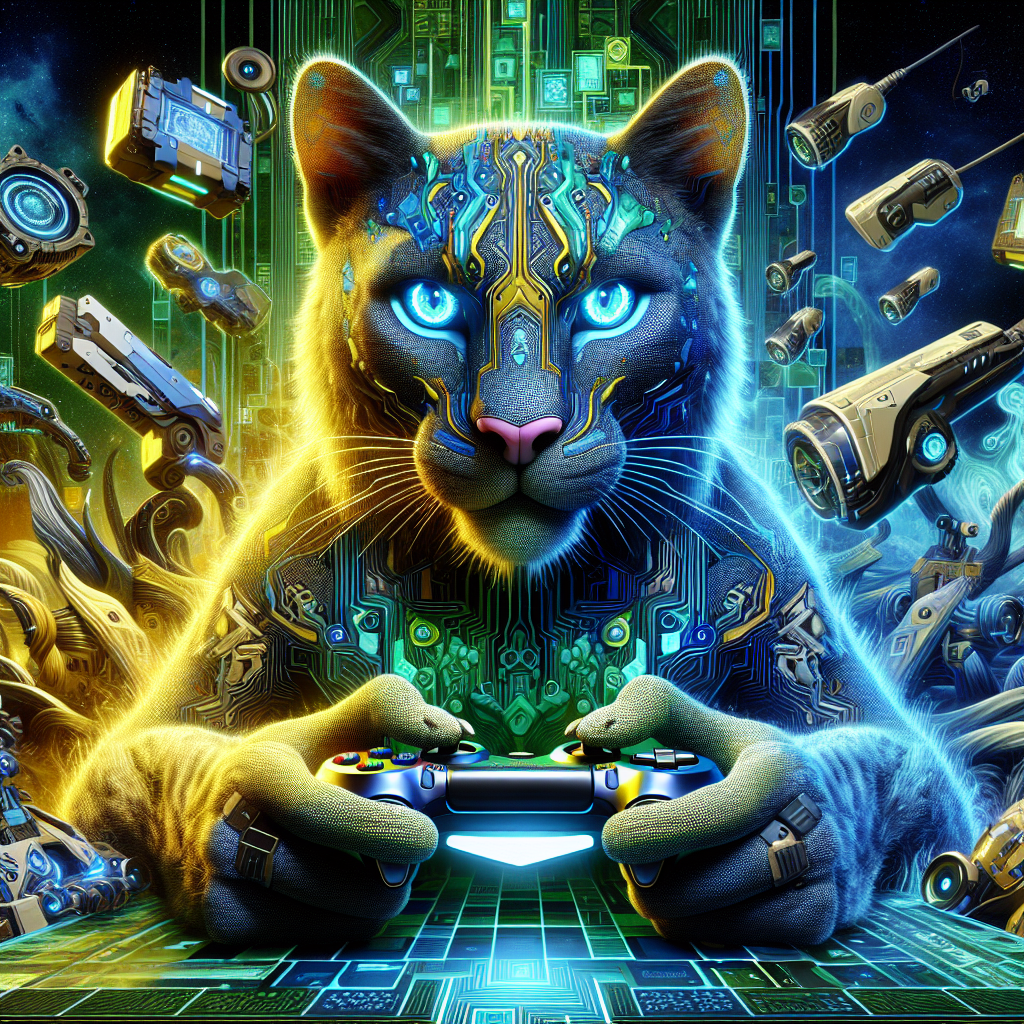
MetalCore is set to integrate with Solana Labs’ GameShift platform, which offers a comprehensive solution for in-game purchases. This platform includes a storefront and payment systems, making it easier for players to engage with the game’s economy. The game itself is a free-to-play open-world experience featuring both PvP (player-versus-player) and PvE (player-versus-environment) elements, where players can acquire assets from their opponents and transform them into Web3 assets for trading.
Benefits of High Throughput on Solana
The decision to migrate MetalCore to Solana is largely driven by the blockchain’s high throughput, ensuring near-instantaneous in-game actions that require blockchain interactions. This improvement is expected to provide a smoother and more responsive gaming experience, which is crucial for fast-paced games like MetalCore. Studio369, known for other titles like Rune II, aims to capitalize on these technological advancements to elevate their games.
Solana’s Growing Attractiveness
Solana has been gaining attention from various protocols seeking enhanced scalability and reduced costs. The gaming sector, in particular, is increasingly adopting Solana, with several protocols making the transition. For instance, MetaBlox’s Roam network, focusing on decentralized proof-of-location and WiFi access points, announced its migration to Solana in April, citing the blockchain’s superior transaction speeds and scalability.
Rise in Solana’s Network Activity
Recent data indicates a surge in Solana’s network activity, with monthly active addresses surpassing 100 million as of early October. This milestone marks a significant increase from the 509,000 addresses recorded at the start of 2024, demonstrating the network’s growing adoption and reach.
Challenges Faced by Solana
Despite its successes, Solana has not been without challenges. The network has experienced several outages in recent years, with the most recent lasting about five hours in February 2024. These downtimes have sparked concerns about the network’s reliability. In response, the Solana Foundation is planning to roll out the complete Firedancer upgrade in 2025, with interim versions being released to support the increasing network activity.
Conclusion
The transition of MetalCore to the Solana blockchain signifies a broader trend of gaming platforms seeking to harness the power of blockchain technology for enhanced performance and user experience. Solana’s capabilities in handling high volumes of transactions make it an attractive choice for developers aiming to provide seamless, fast-paced gaming environments. As Solana continues to evolve and address its challenges, it is poised to play a pivotal role in the future of blockchain-based gaming.