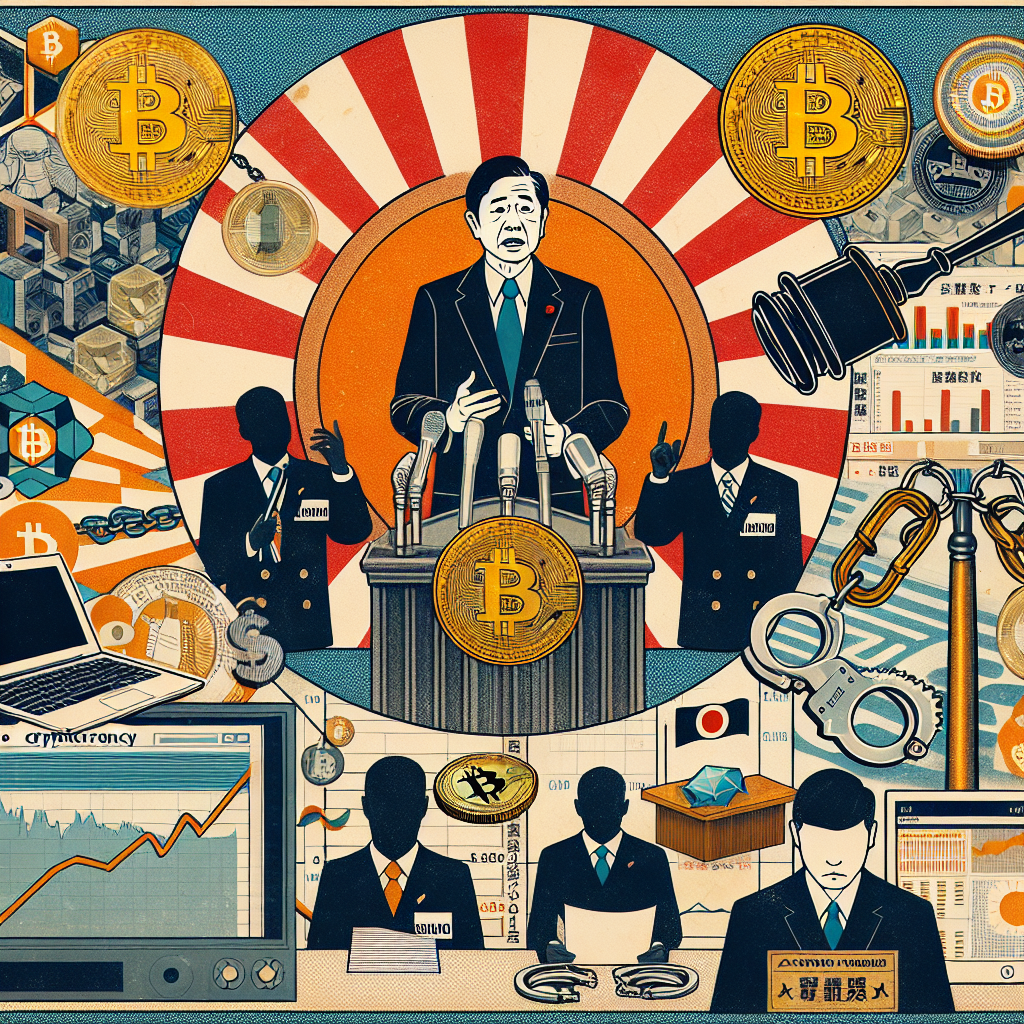
Arrest of Crypto Scam Journalist Raises Concerns
A prominent journalist in Cambodia, Mech Dara, known for his investigative work on crypto scams and human trafficking, has been detained under charges of incitement. The arrest follows his coverage of illicit activities linked to cryptocurrency operations in the region. Human rights groups believe his detention is a direct response to his exposure of crypto-related crimes, including scams that target vulnerable individuals worldwide.
Crypto Scams and Human Trafficking in Cambodia
The region has gained notoriety as a hub for “pig butchering” scams. These scams involve criminals building trust with victims over time, often through romantic manipulation, before convincing them to invest in fraudulent cryptocurrency schemes. This method has led to significant financial losses globally, with estimates suggesting damages exceeding $75 billion in recent years.
Mech Dara’s journalism has been pivotal in highlighting these scams and their connection to human trafficking. His work earned him recognition from the U.S. State Department, specifically for his efforts in uncovering the activities of powerful figures involved in these criminal enterprises. These revelations have implicated high-profile individuals, including a Cambodian senator recently sanctioned by the U.S. Treasury for alleged involvement in human trafficking and forced labor.
South Korea and the U.S. Combat North Korean Crypto Theft
In a strategic move, South Korea and the U.S. are enhancing their collaboration to counter North Korea’s increasing reliance on cryptocurrency theft, which reportedly funds its weapons program. Meetings between senior security advisors from both countries have emphasized a united front against North Korean cyber threats.
Reports indicate that North Korean hackers, particularly the notorious Lazarus Group, have stolen billions in cryptocurrency through sophisticated cyberattacks. These funds are believed to support the country’s military ambitions, posing a significant international security risk. Efforts are underway to curb these activities and protect financial systems from further breaches.
Japan’s Blockchain Ambitions Under New Leadership
Japan’s new Prime Minister, Shigeru Ishiba, is poised to continue the country’s pro-blockchain policies. His administration aims to integrate blockchain technology into traditional sectors, such as agriculture and tourism, to enhance digital infrastructure and economic growth.
The strategic use of blockchain and NFTs for revitalizing local industries reflects Japan’s commitment to technological innovation. The efforts are led by key figures within the government, including the newly appointed digital minister, who is expected to drive the country’s Web3 adoption.
Malaysia’s Venture into Tokenized Bonds
Malaysia is taking significant steps toward embracing securities tokenization, with plans to explore tokenized bonds in collaboration with its sovereign wealth fund. These initiatives aim to modernize the capital market by leveraging blockchain technology for efficient and secure financial transactions.
The regulatory framework is being adjusted to support these developments, with expectations of new guidelines to manage the risks associated with securities tokenization. This move could position Malaysia as a leader in digital finance within the region.
Conclusion
The cryptocurrency landscape in Asia is rapidly evolving, with countries facing unique challenges and opportunities. From combating cybercrime to leveraging digital advancements for economic growth, the region is at the forefront of global crypto developments. These stories highlight the intricate balance between innovation and regulation in the quest to harness the potential of blockchain technology.