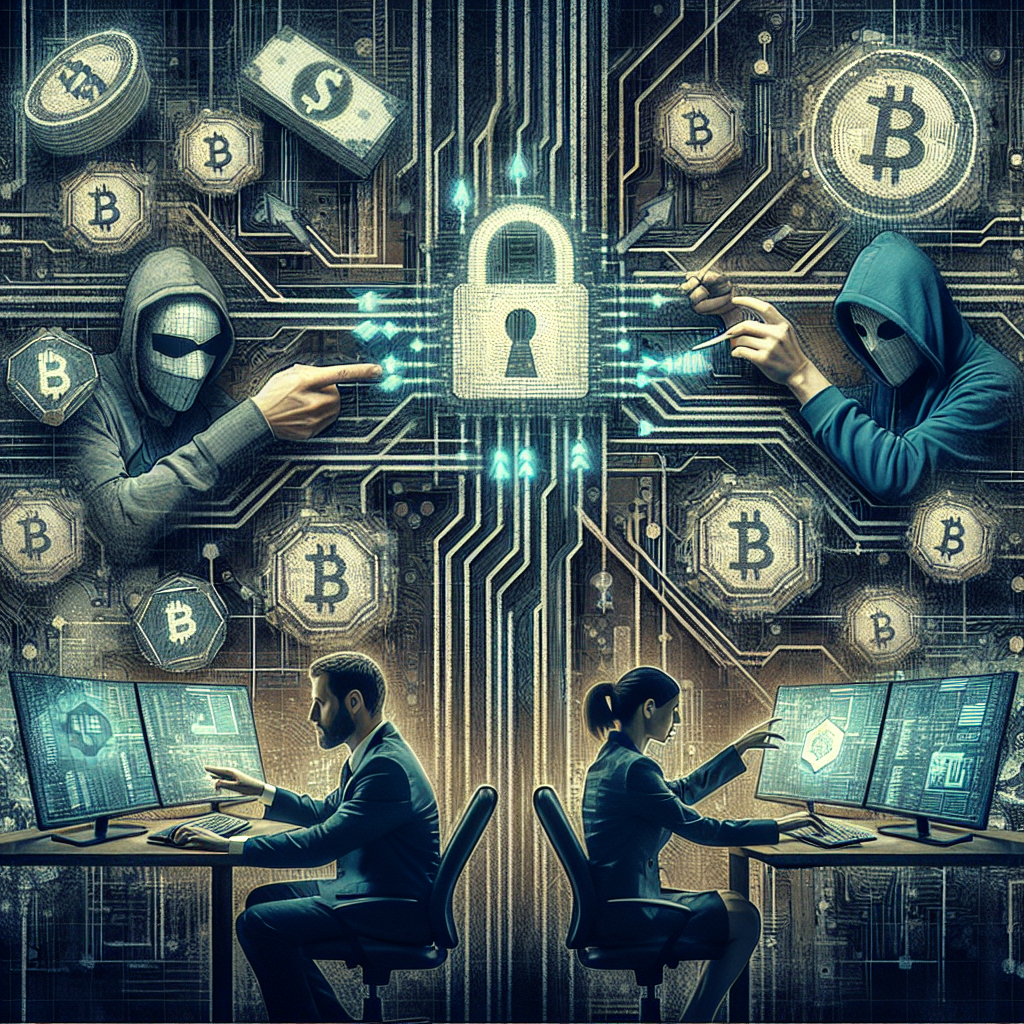
Introduction to Crypto Scams
In the world of cryptocurrency, being scammed can feel like a devastating blow. Unlike traditional banking systems, decentralized blockchain wallets cannot be easily frozen. This makes the recovery of stolen funds particularly challenging. However, some private investigation firms, like Lionsgate Network, claim success in retrieving lost crypto assets.
Efforts in Recovering Stolen Crypto
Utilizing Law Enforcement Connections
Lionsgate Network asserts that they have recovered over $4 million in stolen and lost cryptocurrency. They achieve this by leveraging their connections with law enforcement agencies across various states in the US and internationally. Their approach involves detailed blockchain analysis to trace the stolen funds and then working with law enforcement to freeze and return these assets.
The Role of Blockchain Analysis
According to Bezalel Eithan Raviv, the founder and CEO of Lionsgate, the process begins with an in-depth analysis using advanced technology in blockchain and crypto analysis. This step is crucial for locating the stolen funds. However, merely locating the funds is not enough; getting them back requires further action.
Challenges with Law Enforcement
Raviv notes that taking their analysis to law enforcement can often be met with misinformation. Authorities may claim that the stolen funds are irrecoverable because they are in foreign countries like China or Russia. However, Lionsgate’s experience shows that most attackers eventually try to cash out their stolen crypto through regulated exchanges, such as Binance.
Case Studies of Crypto Recovery
Florida Surgeon Scammed
One notable success story involves a Florida surgeon who lost $100,000 to a scammer posing as a charming woman over the phone. The scammer, part of a larger criminal network, convinced the surgeon to invest in a fake opportunity. Lionsgate traced the stolen funds to a wallet containing over $30 million in cryptocurrency, likely from multiple scams. Confronted with this evidence, the scammer returned the $100,000.
North Carolina Investment Banker
Another case involved an investment banker in North Carolina who was scammed out of $1.7 million. A woman befriended him on Facebook and eventually convinced him to invest in a fraudulent crypto trading scheme. Lionsgate traced the stolen funds but has yet to recover them. The case has been handed over to the Department of Homeland Security for further investigation.
The Reality of Fund Recovery
Cooperation with Law Enforcement
Raviv emphasizes that while Lionsgate can provide detailed analysis and trace stolen funds, they cannot guarantee law enforcement will act. He believes that law enforcement is becoming more willing to collaborate with private firms in this new era of crypto crime.
Low Likelihood of Recovery
Even with advanced blockchain analytics, the likelihood of recovering stolen funds remains low. Firms like Crypto Asset Recovery, specializing in recovering lost seed words and private keys, also face similar challenges. They can provide detailed reports to law enforcement but cannot ensure the recovery of stolen assets.
Increasing Threat of Crypto Scams
Rise of Pig Butchering Scams
Crypto scams, particularly “pig butchering scams,” are becoming more prevalent. These scams involve criminals luring victims through dating or social media sites and convincing them to invest in fake crypto projects. The promise of high returns often entices victims to invest substantial amounts.
Regulatory Warnings
Regulatory bodies like the United States Commodities and Futures Exchange have issued warnings about the increasing threat of these scams. The US Securities and Exchange Commission has also taken action against entities involved in fake crypto exchanges, highlighting the ongoing battle against crypto fraud.
Conclusion
Crypto scams are an ever-present threat in the digital currency landscape. While private investigation firms like Lionsgate Network offer hope for recovering stolen funds, the process is fraught with challenges. Cooperation from law enforcement is crucial but not always guaranteed. As the crypto market continues to evolve, so too must the strategies for combating fraud and protecting investors.